Best Time to Visit Ayodhya for Ram Mandir Darshan
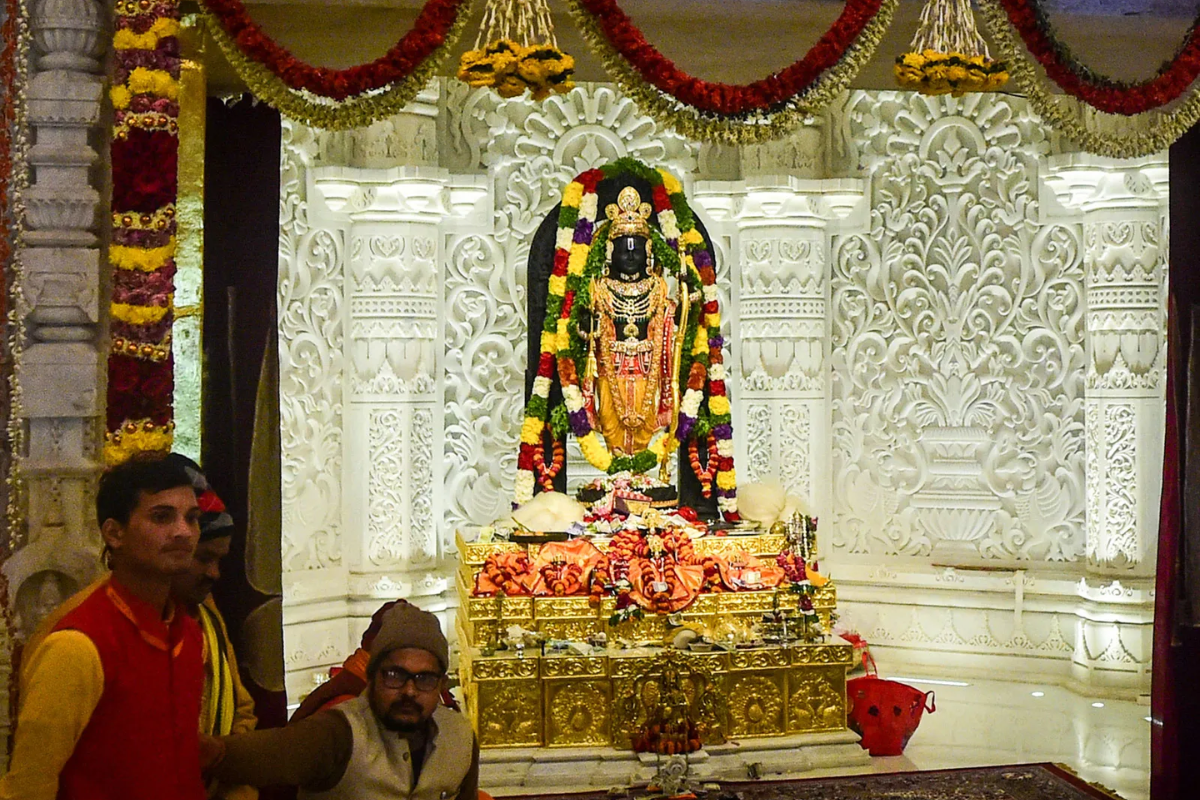
Every year, lakhs of devotees make their way to Ayodhya to stand before Ram Lalla and almost every one of them asks the same question before booking their tickets: when should I actually go?
The honest answer is that Ram Mandir is open and welcoming devotees all year round, so there's no wrong time to visit. But if you want a calmer, more comfortable darshan, shorter queues, pleasant weather, and time to also explore Hanuman Garhi, Kanak Bhawan, and the Saryu Ghat, some months and days genuinely make the experience easier. Here's what to know before you plan your trip.
The Best Months: October to March
Winter is, without question, the most comfortable season to visit Ayodhya. From October through March, daytime temperatures stay pleasant, mornings are cool and crisp, and you can comfortably stand in the darshan queue without the harsh sun draining your energy.
This is also the season when most pilgrims travel. Families, elderly devotees, and groups planning multi-day trips tend to choose these months specifically because the weather makes walking between temples such as Ram Mandir, Hanuman Garhi and Kanak Bhawan far more manageable.
Months to Approach with Caution: April to June
Summer in Ayodhya is intense. Temperatures regularly climb well above 40°C between April and June, and the darshan queues offer little shade for long stretches. If you must travel during these months, plan your temple visits for early morning, ideally arriving by 6:00-7:00 AM, and avoid the midday break window entirely, since standing around during peak heat is genuinely difficult.
Monsoon Season: July to September
Monsoon months bring relief from the heat but add their own unpredictability — sudden showers, humid afternoons, and occasionally waterlogged approach roads.
If you're comfortable adjusting your plans around the weather, monsoon season does have an upside: fewer tourists, which means shorter queues and a more unhurried darshan experience.
Just keep a light raincoat or umbrella handy and check weather forecasts a day or two before travel.
Weekdays vs. Weekends
Regardless of which month you choose, the day of the week matters almost as much as the season. Tuesday through Thursday typically see noticeably shorter queues than weekends, when both local and out-of-town visitors combine to create heavier crowds.
If your schedule is flexible, a mid-week visit even during peak season can save you hours of waiting.
Festival Days: Beautiful, But Crowded
Festivals like Ram Navami, Diwali, and Kartik Purnima transform Ayodhya into a sea of devotees, with footfall reaching into the lakhs on a single day.
Ram Navami is especially significant, featuring the Surya Tilak ceremony — a precisely engineered moment where sunlight is directed onto Ram Lalla's forehead exactly at noon, a sight many devotees travel specifically to witness.
These festival visits are spiritually powerful, but they come with genuinely long queues, packed accommodations, and limited last-minute availability.
Our Recommendation for First-Time Visitors
If this is your first trip to Ayodhya and your main goal is a calm, meaningful darshan without long waits:
November to February
Tuesday to Thursday
Reach the temple area by 7:00 AM
Major festival dates, unless you specifically want the festival experience
Plan Your Stay in Advance
Whatever time of year you choose, having a comfortable, reliable place to stay close to the temple makes the entire trip easier — especially during the early morning darshan window when every extra kilometre of travel means less sleep and more rush.
At Shri Janakii Mahal Trust, we're just minutes from Ram Mandir, with clean AC and Non-AC rooms, all meals included, and transparent pricing — so your only focus during your visit is the darshan itself.
Planning Your Ayodhya Visit?
Book a comfortable stay near Ram Mandir and make your pilgrimage more convenient.